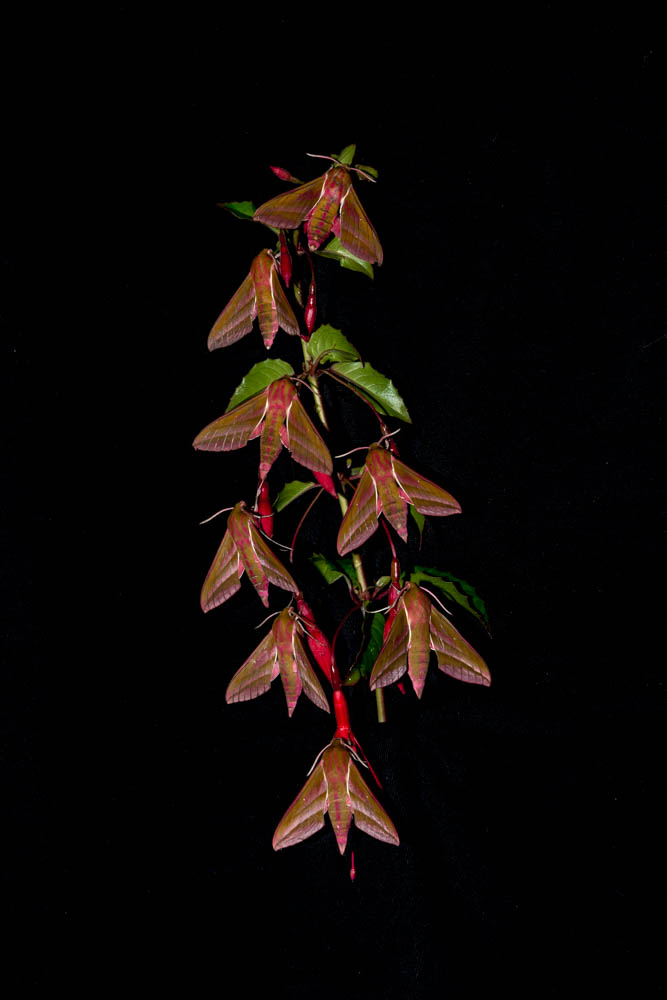
11 Elephant Hawkmoth 2
There are 59 species of Butterfly compared to over 2,500 species of Moths in the UK,with more species being establishing following migration from the continent probably due to climate change over the last decade or so. Moths occur in a wide variety of habitats from the coastline up to high altitudes. Although there are quite a few day flying Moths in the UK , most are night flyers so are seldom seen. Moths are masters of disguise and camouflage with many as stunningly colourful patterns as their day flying cousins, Butterflies. All in all a very fascinating species of insect to observe and photograph.
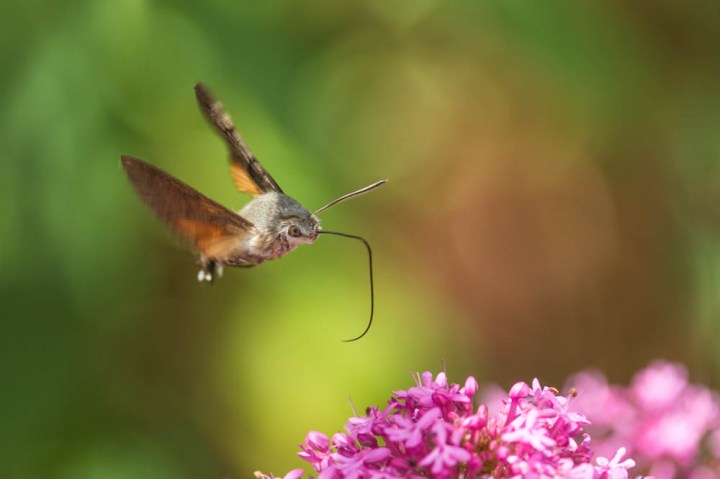
4 Hummingbird Hawkmoth 1
As with all wildlife Moths are governed by weather conditions and so the amount of species caught in an evening before a workshop will change from a few to many different species with June/ July being the best time for Hawkmoths.
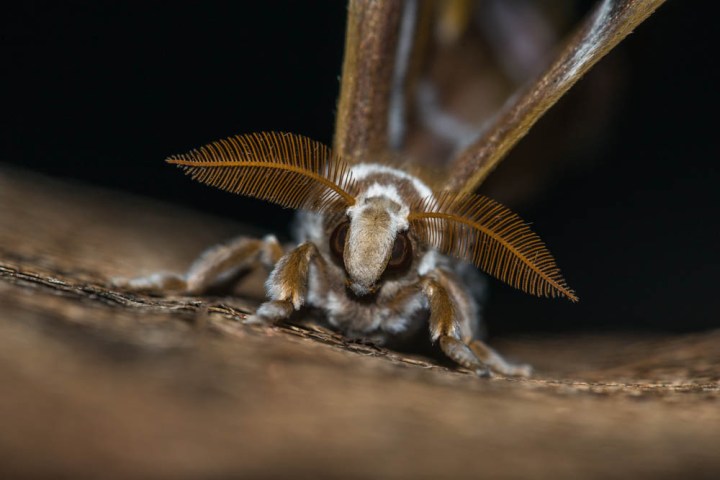
8 Cynthia moth
At times the sessions will be supplemented with various moths bred and reared myself such as migrant Hawkmoth (Death Heads, Spurge, Bedstraw etc). I’m also hoping, with a bit of work ,to be rearing some foreign species such as Eri Silkmoth Philosamia Cynthia and the largest moth in the world the Giant Atlas Moths. Eggs, caterpillars and pupae in season will also be available to photograph. On warm sunny days there will also be the possibility to photograph Hummingbird Hawkmoths (if you have the patience)
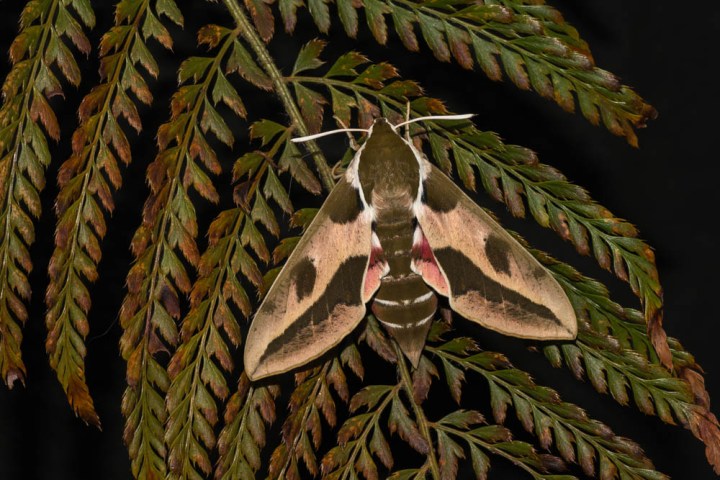
7 Spurge Moth
I will be setting up various ways to photograph the moths both naturally and artistically using various props such as moss, lichen laden twigs, branches, stumps, bark, stones and flowers etc.
My aim will be to send each individual photographer home with a set of images they will gladly be adding to their portfolio.
The workshop is open to all abilities and equipment. Macro and wide angle lenses being used for the most part of my work with the exception of telephoto being used for the Hummingbird Hawkmoths. Some smaller tele lenses with convertors may work just as well though.
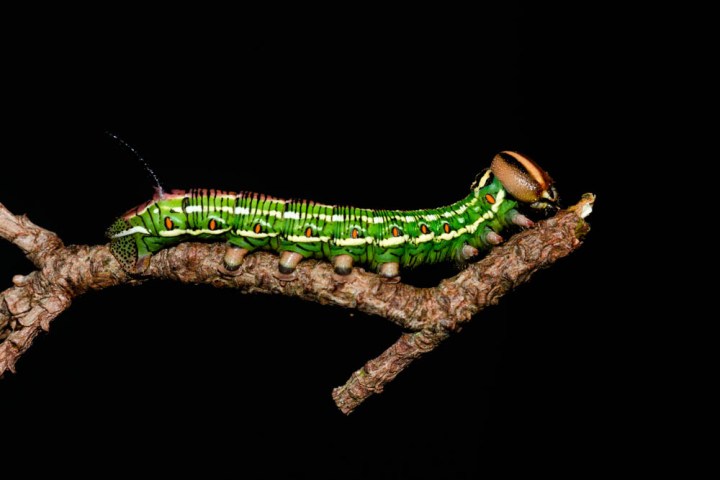
15 Pine Hawkmoth caterpillar
The workshops will be held from mid May onwards – each session will be from 9.30 to 12.30 on a Monday or Friday. The cost will be £75 per photographer and limited to 4 photographers per session. If there has been a really good evenings catch and anyone would like to continue the session there will be an additional charge of £30 per hour per person.A £20 deposit will be required on booking. only refundable if the session is cancelled or inclement weather. or you may rebook onto another session.
The setting will be on a private estate in the Sussex Downs just north of Chichester and the exact location will be advised prior to the workshop. Tea, coffee and a toilet will be available throughout the morning.
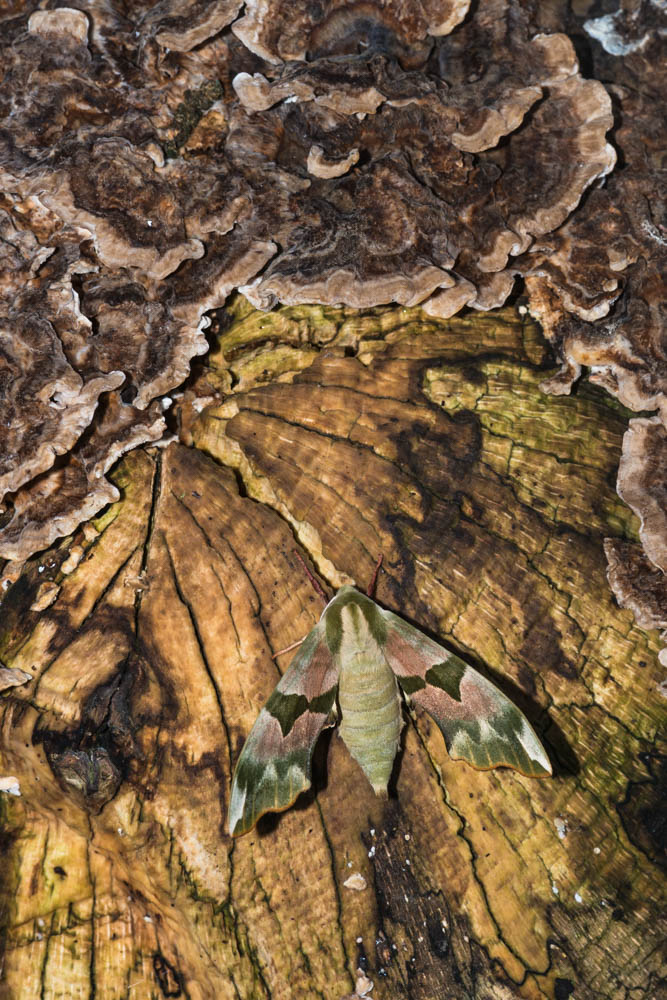
13 Lime Hawk moth
Please view my Facebook account My Wild Life Tony Stevens where an ‘Event’ has been created to register interest.
Alternatively contact or message
Tony Stevens 07734 103014 or Amanda Starkey 07789 030107
About the photographer
Tony Stevens is Sussex born with a life long admiration for the surrounding area and in particular the wildlife within . Combining an artists eye with a good knowledge of nature has been my foremost advantage in the development of my style of self taught photography. My main focus is on British wildlife with several highly commended awards in top British wildlife photography competitions.
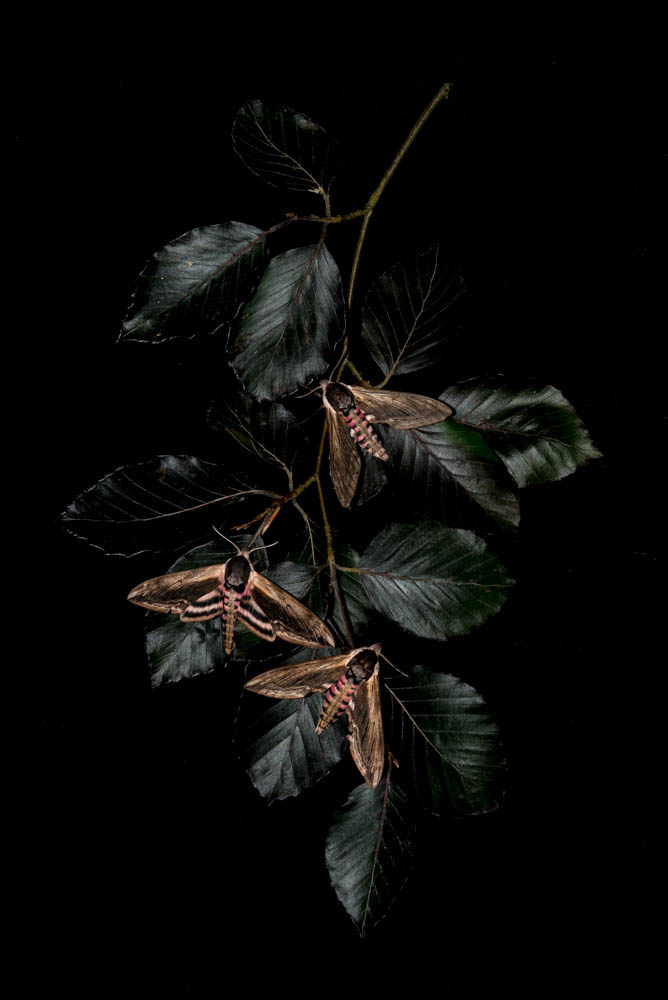
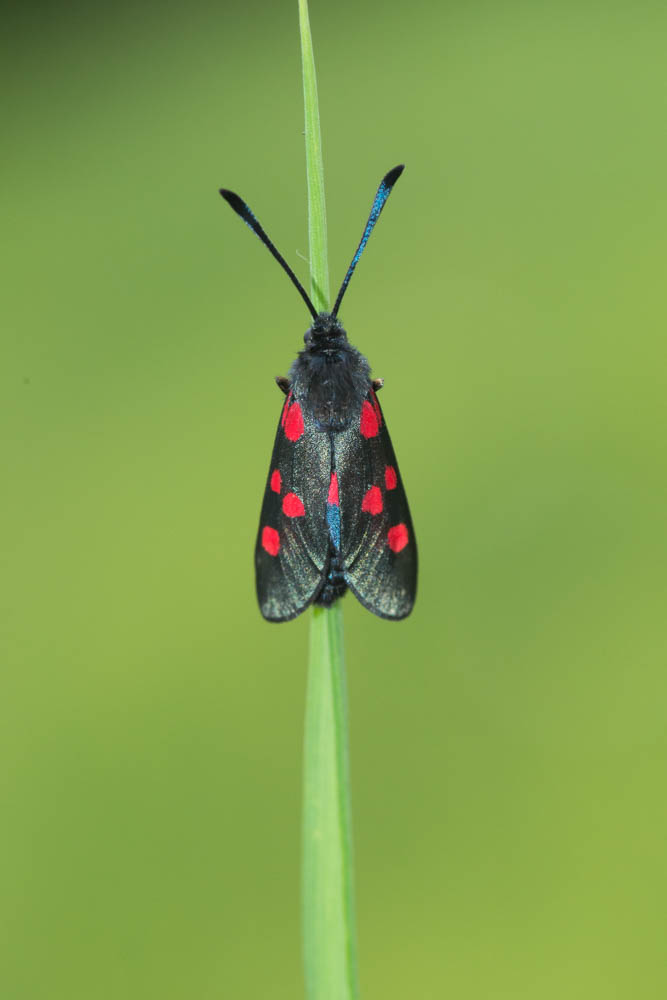
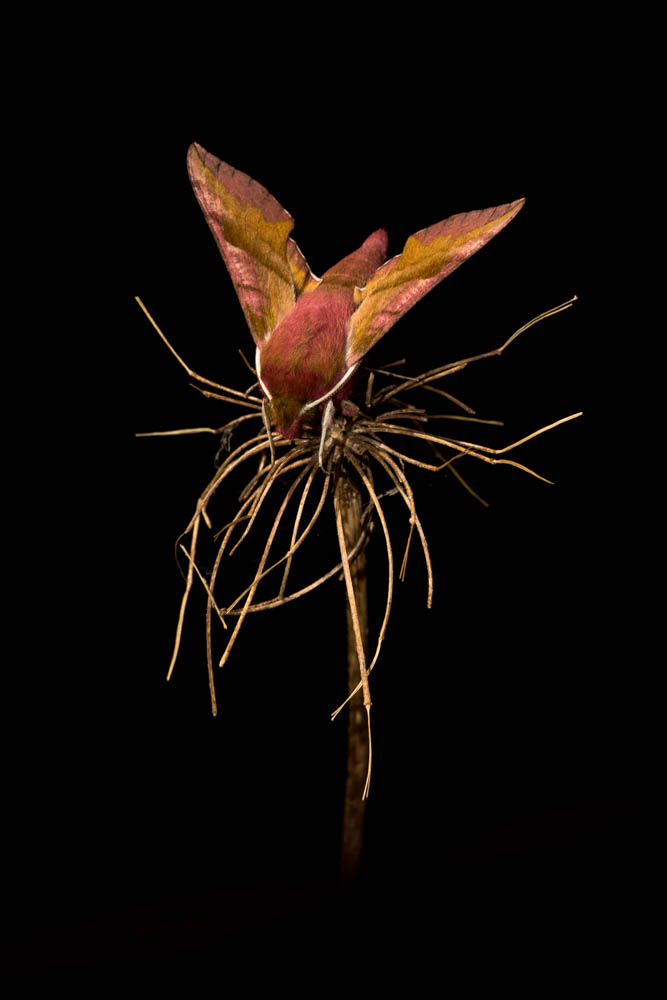
16 Privet Hawkmoth 11 Burnett Moth6 small ele hawkmoth

So a few months ago me, my brother and our friend decided to take a trip to Wales. We had recently started a You Tube channel which aimed to cover everything about the outdoors. But we needed content.

Seeing as there is only so much you can do in Bognor Regis when it comes to outdoor activity, we chose to go for a long weekend in Wales with the main goal of visiting a small place called Gigrin Farm.

Wales is quite rightly known as one of the top places to visit for walks, fantastic views and diverse wildlife. As well as terrible weather. So, it was no surprise to us that, when making our way through wales we saw amazing views of valleys calved by distant rivers. As well as birds of all kinds darting through the woodlands and soaring over mountains. Of course, as I alluded to earlier, this comes at a price. We arrived to the wake of a hurricane. I can assure you this is not an exaggeration.

When we arrived at our very remote (but amazingly situated) accommodation the internet was out and we were told the entire day had been spent clearing the 2 mile track of fallen trees just so we could get through. Still, the next morning we packed out bags and headed out to Gigrin Farm which was about an hour away.

When we arrived it was clear that I was the one who would be getting the most out of the day as the other two didn’t seem keen on paying to sit in a hide. However, the day was cold, wet and windy. This meant that we were the only people at Gigrin farm that day. We had the place to ourselves. To my surprise this meant that my brother, Lewis and our friend, Adam were able to join me in the hide I had pre-booked for the purpose of photography.

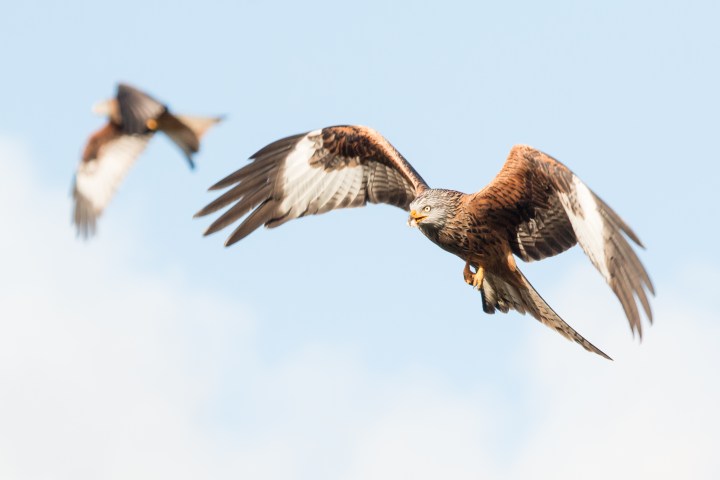
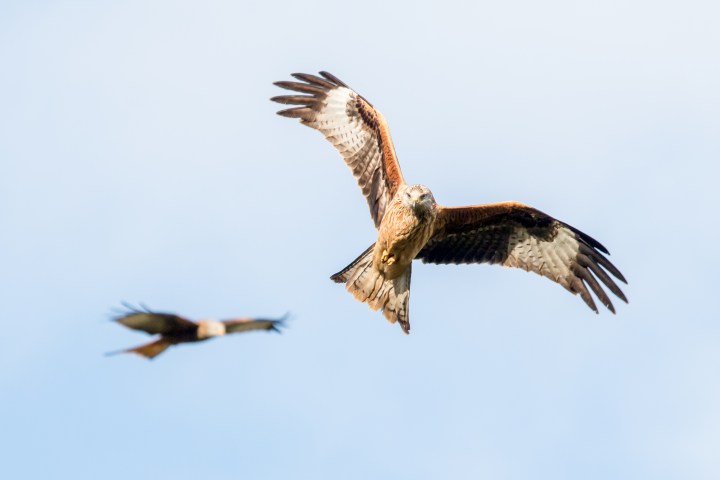
The wait began. We were there to see what must be one of the biggest gatherings of this particular species in the UK. After about 20 minutes we saw a few silhouetted shapes gliding around a tree on the horizon. Soon, there was a shout, “guys”! We spun round to see what could only be described as a cloud of raptors sweeping in from hills to the left of the hide. They were following the approaching meat trailer.

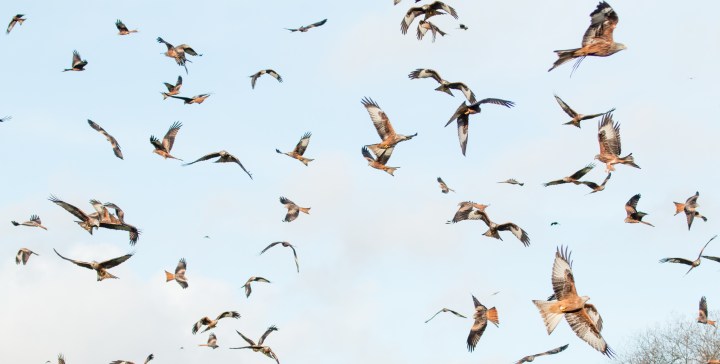
The meat trailer pulled up by the hide, by this time the tension was mounting.  The kites’s frenzied state resulted in the clashing of wings and screeches of authority ringing out around us. The sky was full (and I cannot emphasise the word “full” enough at this point) with Red Kites, England’s largest bird of prey. And what a site it was.

Wales L.A.M final edit -7

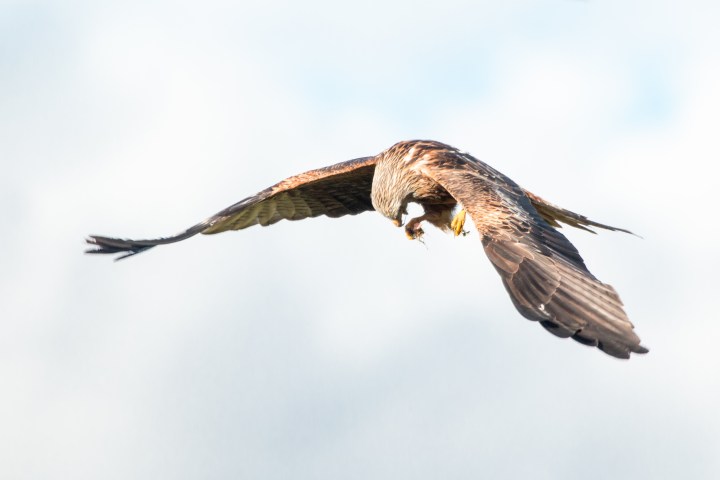
The first spade full of meat was flung from the trailer and madness erupted amongst the red sky. Birds dived erratically, scooping up pieces of meat from the ground without landing and eating them on the wing.

Wales L.A.M final edit -8

Wales L.A.M final edit -12

I took a moment to watch and really take in what I was seeing. This is a bird of prey that until very recently was a birder’s prize sighting, something you would rarely see with your own eyes. Now thanks to projects like this one in Wales they are recovering, arguably thriving ! There is a lot of controversy though. Some say that sites like this are bad for the British ecosystem. These raptors in Gigrin farm are almost dependant on the meat provided. And there is some evidence to suggest that they are not getting enough variety in their diet which can lead to health problems.

This controversy is well founded and I have given a lot of thought to which side of the fence I would fall on in the debate. Personally, I think that the future of wildlife, in the British isles especially, is a very fragile thing at the moment. As always, its security can help to be ensured by the next generation. How many people nature enthusiasts would say they found a love for wildlife through a trip to a zoo or an aquarium. If there are ways of providing arguably more memorable experiences, without the fences or glass. As well as showing native wildlife instead of flagship species from countries that people may never get the chance to visit, then I say we need to have places like Gigrin Farm.

Wales L.A.M final edit -13

If you ever get the chance i would highly recommend you visit. I can promise you a sighting that you will never forget. For more photos or to see the red sky from another perspective feel free to watch the YouTube video below. Thank you for reading :).

Red Kites and Gigrin Farm: Video


Although I have generally had a love/hate relationship with social media I feel that ultimately it has many more positives than negatives. Without it this group would not exist as most of us would never have met and at this point, I’m sure we are all the richer for it. As much as I enjoy admiring and contemplating the work of other photographers, you can’t beat a bit of face to face discussion. This is one of the main motivations for forming the group and as well as other advantages, not least the shared cost of our previously mentioned exhibition.

That then brings me to my point in that although social media works for many people, it can sometimes leave you wanting once the novelty of a wider audience has been achieved. Perhaps even more so with the proliferation of high quality images now posted and the popularity of landscape and nature photography. I in no way mean this in a negative sense, as I’m generally very much inspired by the work I see, however the snippets of thought that accompany the images can leave me with many unanswered questions.  With the group I now have a slightly louder voice and other photographers to share my thoughts, images and highs and lows with (although they may not always agree). As we know photography is very much a cerebral and emotive pastime (mostly) and it is enlightening and encouraging to share ideas, opinions and work. Although we only formed the group about six months ago I feel we are heading in a good direction intellectually and creatively whilst still maintaining our individuality.

I also find it both stimulating and challenging to share time with photographers who work in other areas to me, especially wildlife. This is helping me translate my love of the natural world into photographic aspirations as well as broadening my knowledge and appreciation.

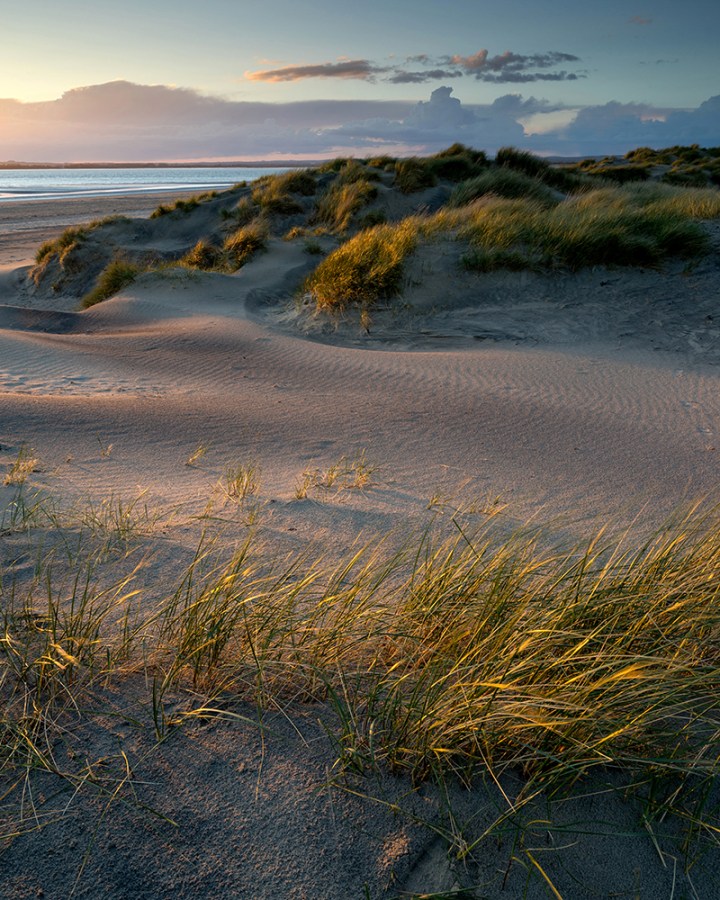
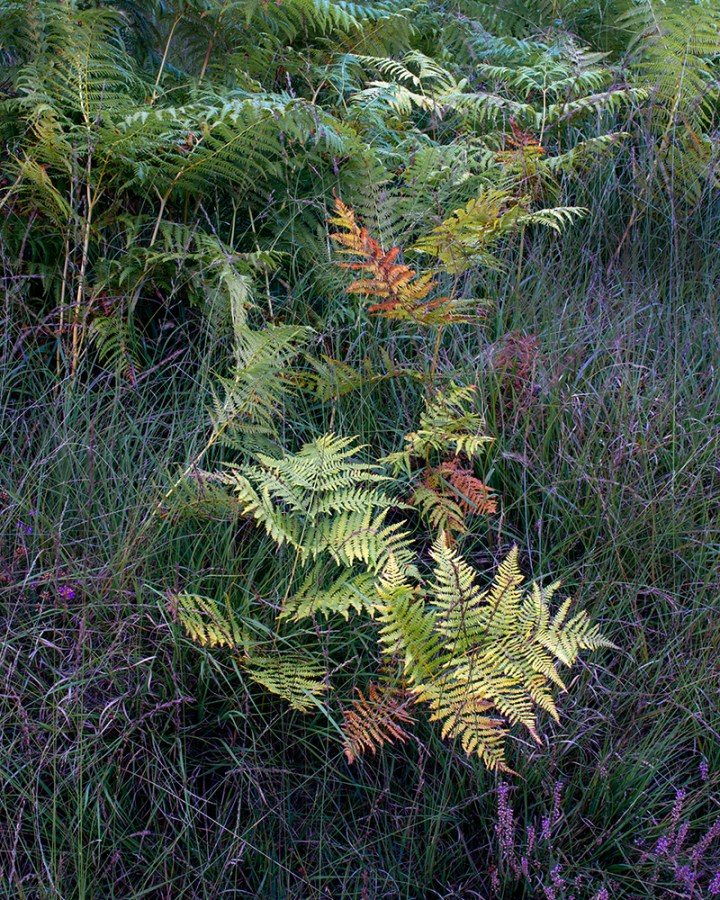
We meet once a month and during the winter months this has very much become a forum for discussions ranging from our own work to that of others outside the group and dare I say it, gear! The lighter evenings bring trips out, followed by a pint and a bit of banter for those of us who dare to offer a a little camera LCD preview of our labours. Both the images below were captured on such evenings last summer, something we all look forward to once more daylight hours are with us and we are once again released from the dark clutches of winter. I have little doubt that as time goes on we will share trips to exhibitions, days out and maybe even share accommodation and the expense on a foray further afield.

East Head, West Wittering
Summers end, Iping Common

There is no doubt that we are all very different people and if it wasn’t for our collective passion for and appreciation of photography it’s likely our paths would not have crossed and friendships would not have been forged. There is no competition, no egos and there is no hierarchy, we share the group as equals eager to learn from each other and share our experiences and personal successes as well as as the odd failure. Photography is indeed a universal language and one that possibly speaks louder than the written word. Although that is a discussion for another day perhaps.